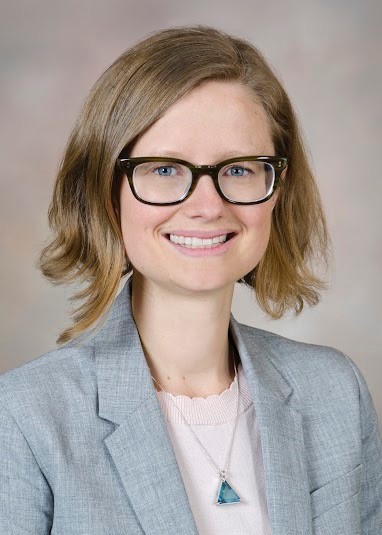

Monday, April 28, 2025,
at AIMS Institute in Seattle.
Credit: KUOW Photo/Megan Farmer
Washington state is on the cusp of a significant transformation in mental health and wellness, driven by a growing movement to decriminalize and medically integrate psychedelic substances like psilocybin. While efforts to fully legalize psychedelic mushrooms statewide have faced hurdles, the dedicated work of medical professionals, activists, and researchers is paving the way for a more progressive approach to mental health care.
Leading the Way: AIMS Institute and Dr. Sunil Aggarwal
At the forefront of this movement is Dr. Sunil Aggarwal, a renowned palliative care physician and co-director of the Advanced Integrative Medical Science (AIMS) Institute in Seattle. Dr. Aggarwal has been a tireless advocate for the medical use of psilocybin and other psychedelics, pushing for their reclassification from Schedule I to Schedule II under the Controlled Substances Act. This change would allow for more controlled research and broader patient access to these potentially life-changing therapies.
Rescheduling Efforts and Regulatory Challenges
Dr. Aggarwal’s efforts to reschedule psilocybin have recently gained momentum. After his initial petition to the Drug Enforcement Agency (DEA) was rejected, a court ordered the agency to reconsider its stance. Backed by this court request, the DEA accepted the petition in February 2025, moving the issue to the Department of Health and Human Services (HHS) and the Food and Drug Administration (FDA) for further medical and scientific evaluations.
“It’s still a new pathway, but I’m really excited that the DEA is recognizing that the evidence supports a thorough review of it,” Dr. Aggarwal said. “They haven’t said that before.”
If successful, this rescheduling effort could significantly impact the way psilocybin is used in clinical settings, potentially making it available to seriously ill patients under the federal Right to Try law. This law allows patients with life-threatening illnesses who have exhausted conventional treatment options to access investigational therapies that have not yet received full FDA approval.
A Transformative Impact on Patient Care
Dr. Aggarwal believes that psilocybin can have a profound impact on patients facing terminal illnesses, helping them cope with the emotional and existential distress that often accompanies such diagnoses.
“When you are in your 40s or 50s or at some stage of life where you were expecting to live a full life, it can be really crushing for some of our patients — lots of anxiety, worry, worsening pain, and a lack of ability to stay present,” Dr. Aggarwal explained. “When patients take psilocybin, those kinds of maladies and preoccupations can be lifted for sometimes a year or more and pretty quickly.”
Looking Ahead
As the conversation around psychedelics continues to evolve, Dr. Aggarwal and the team at the AIMS Institute remain committed to advancing this important field. By pushing for more inclusive, compassionate, and patient-centered approaches to psychedelic therapy, they are helping to redefine the future of mental health care.
For more information about the AIMS Institute and its groundbreaking work in integrative medical science, visit their website at AIMS Institute or call (206) 420-1321.
Contact Information: Advanced Integrative Medical Science Institute 1136 Poplar Pl S Seattle, WA 98144 Phone: (206) 420-1321 Fax: 1-833-584-0067 Website: www.aimsinstitute.net